Overview
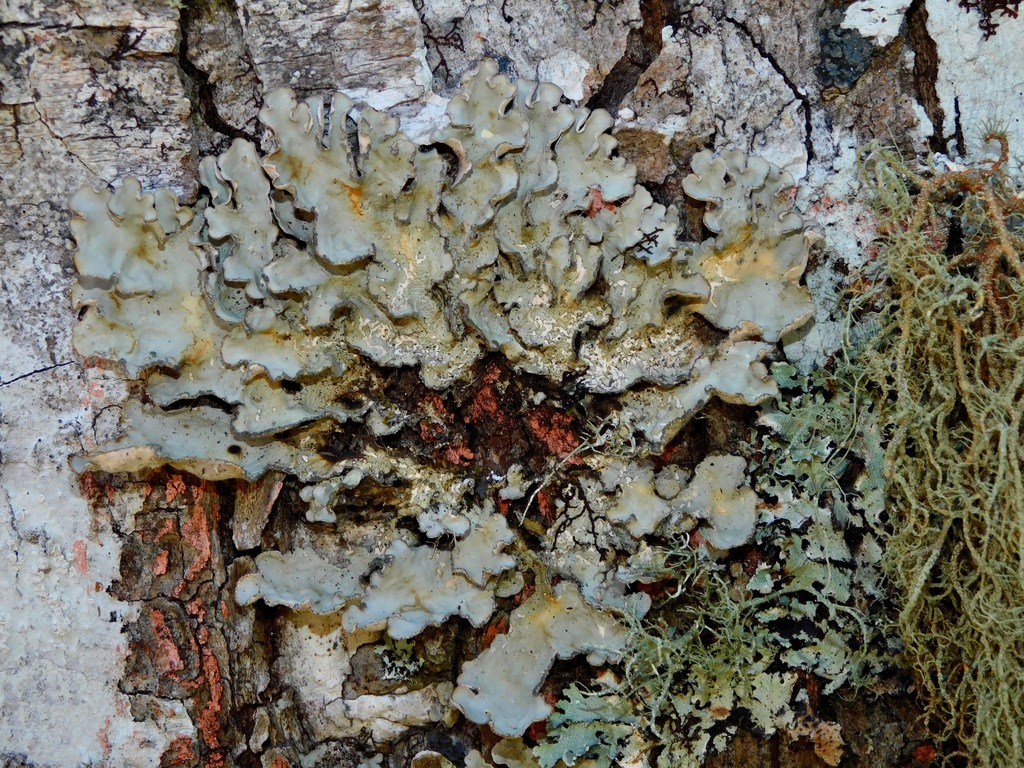
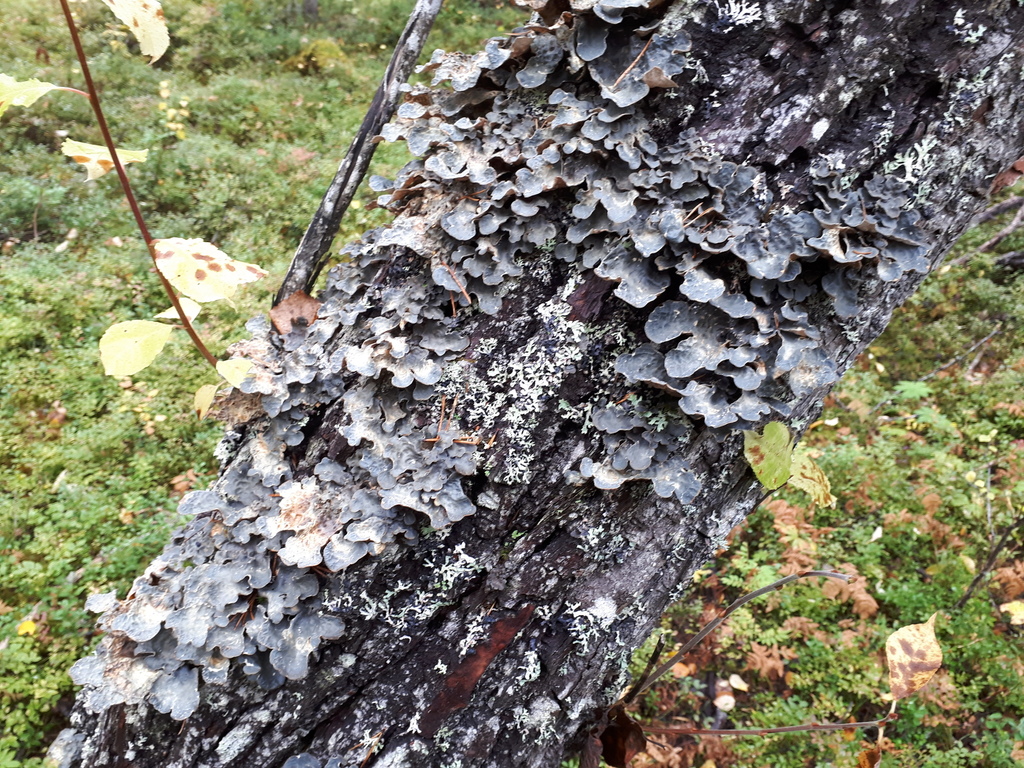
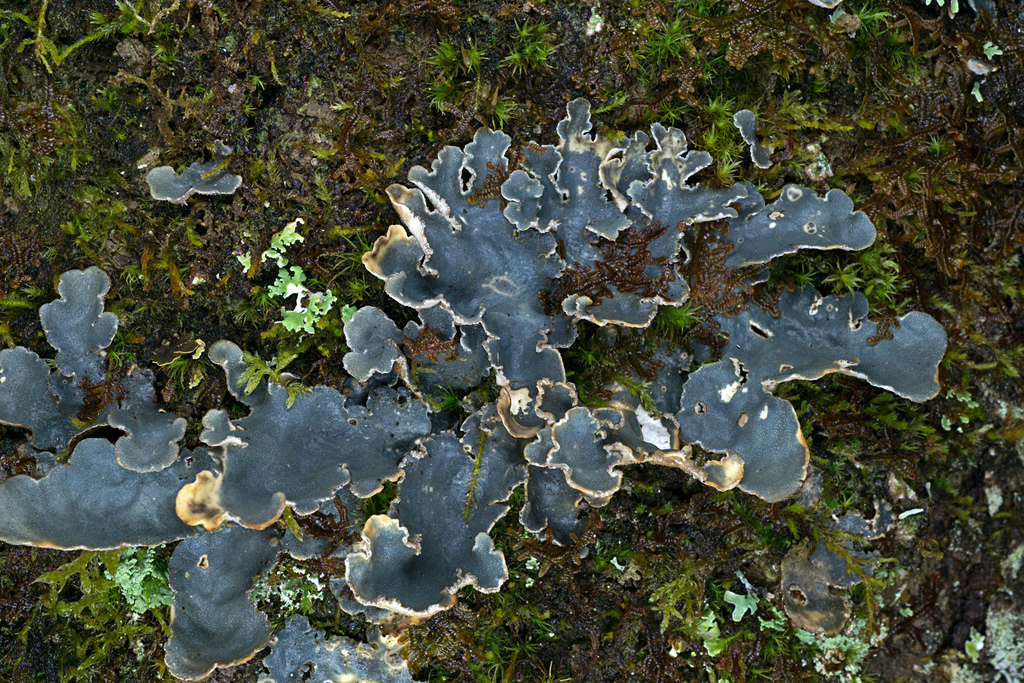
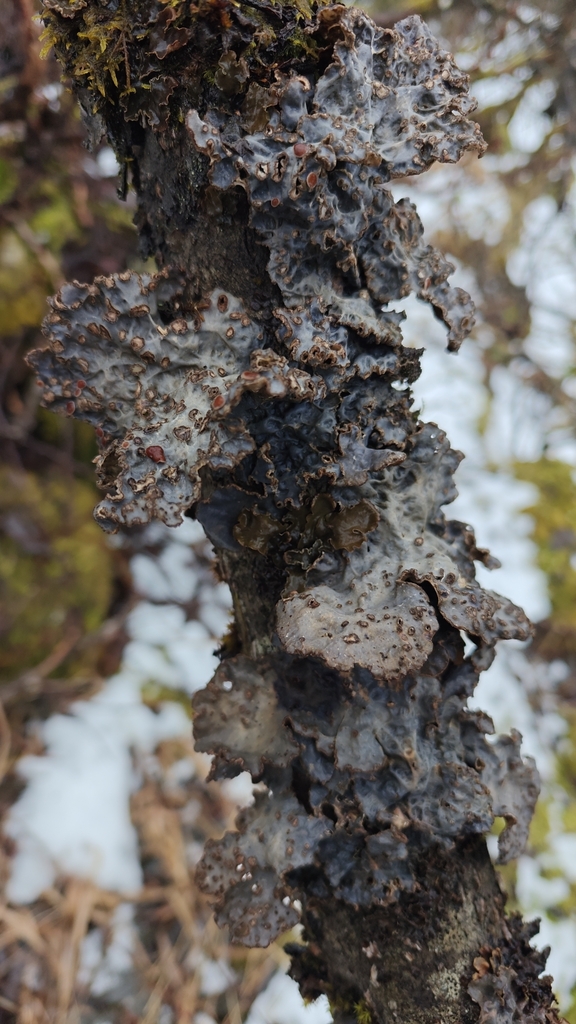
Deep blue-gray when wet and lighter with a yellow tinge when dry, Lobaria scrobiculata features round soralia set among a loose network of ridges on its upper surface. The underside is cream to light brown with a fine tomentum.
Found on the bark of hardwoods and shrubs in moist forests, it shares its larger cousin's preference for clean, humid environments and old-growth conditions. It is less commonly encountered than L. pulmonaria and is considered a good indicator of forest quality.
Identification
- Blue-gray to brownish when wet, paler with a yellow tinge when dry.
- Distinctive round soralia (soredia-producing structures) on the upper surface.
- Surface has a ridged network pattern, though less pronounced than L. pulmonaria.
- Underside cream to pale brown with fine tomentum.
- Smaller than L. pulmonaria, typically 5–15 cm across.
Ecology & Habitat
Like its relative, requires old-growth or long-established forest with clean air. Often found in the same habitats as L. pulmonaria but usually less abundant. Both species are indicators of forest ecological continuity.
Fun Facts
Unlike its cousin L. pulmonaria, this species partners primarily with cyanobacteria (Nostoc) as its main photobiont , making its entire body capable of nitrogen fixation.
It has been used as a source of a blue-brown dye in traditional Scandinavian textile arts.
The species name "scrobiculata" means "pitted" , referring to the small depressions (soralia) that dot its surface like tiny craters.
When this species disappears from a forest, it rarely returns even if conditions improve, because its dispersal ability is very limited.
Distribution
Circumboreal; found in western North America, northern Europe, and East Asia