Overview
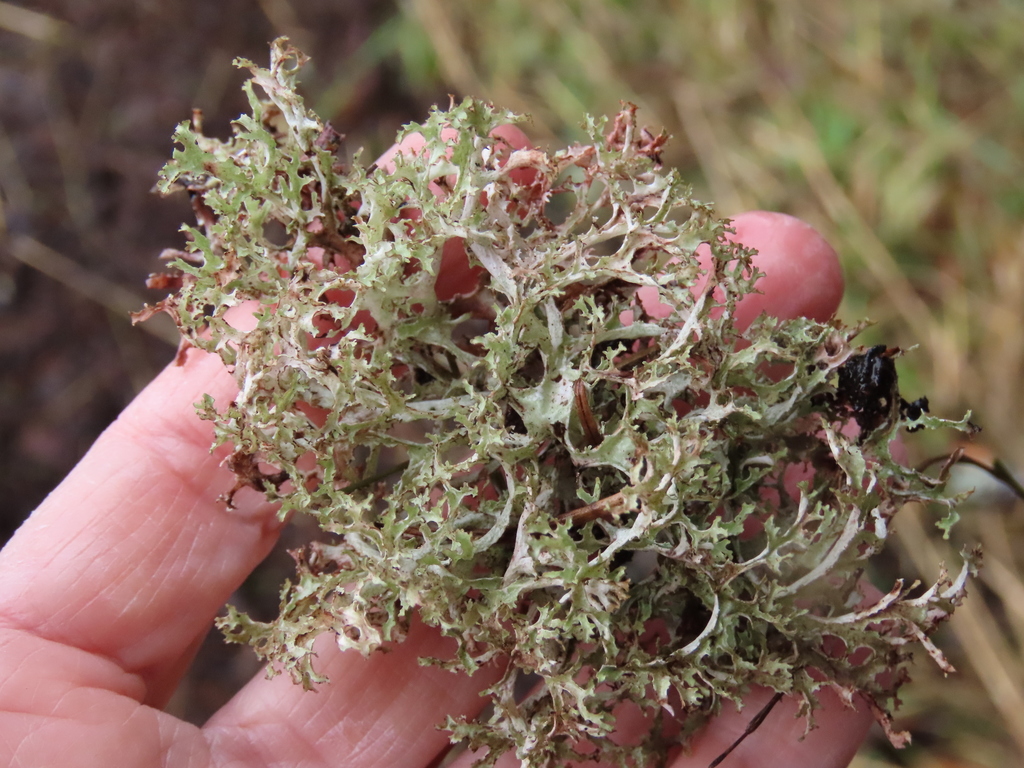
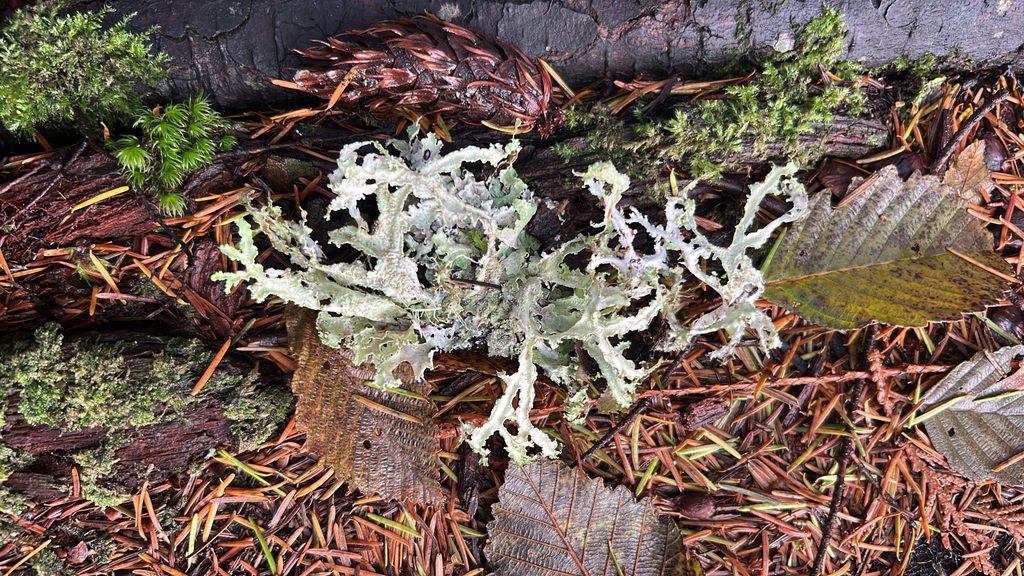
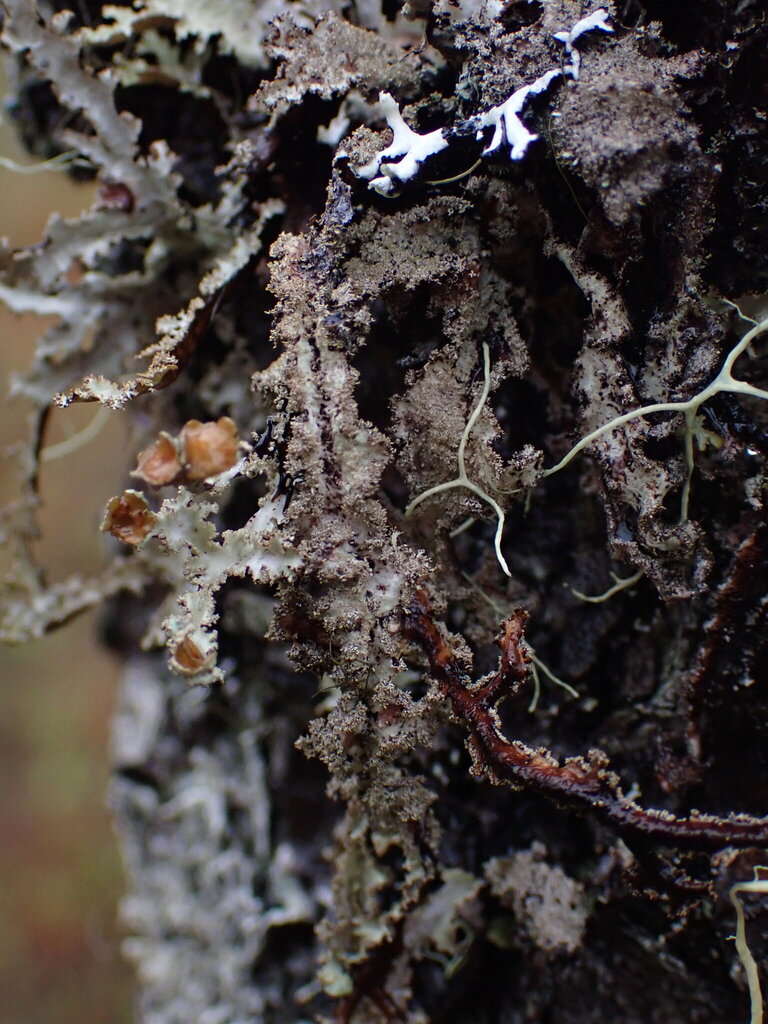
Similar to P. glauca but with narrower, longer lobes that occasionally droop from branches. Isidia line the lobe margins rather than the upper surface.
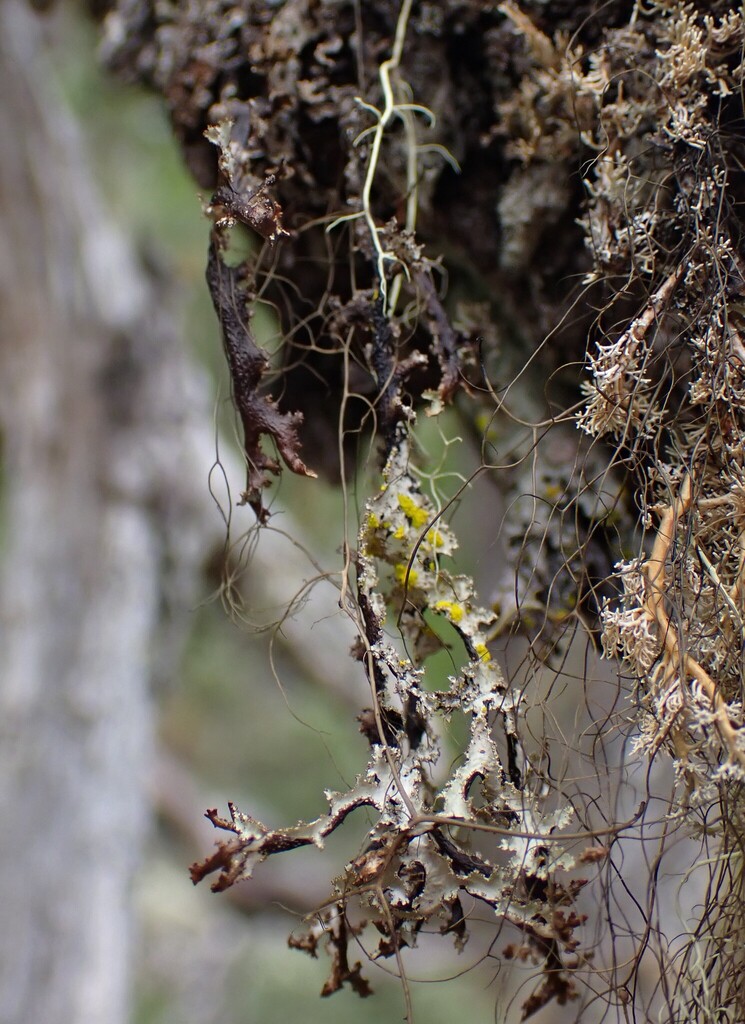
Found on bark of conifers in moist forests, it adds to the draped, festooned character of old temperate rainforest canopies. Most common in the Pacific Northwest, where it contributes to the lush, moss-draped aesthetic of old-growth Sitka spruce and western hemlock forests.
Identification
- Narrower, more elongated lobes than P. glauca.
- Isidia concentrated along lobe margins (not on the surface).
- Lobes tend to droop or hang from branches.
- Named after Albert Herre, a prominent early 20th-century lichenologist.
- Best distinguished from P. glauca by the marginal (not laminal) isidia and narrower lobes.
Ecology & Habitat
Most abundant in old-growth conifer forests of the Pacific Northwest. Often found alongside other epiphytic lichens like Alectoria, Bryoria, and Usnea in lichen-rich canopies.
Fun Facts
Named after Albert W.C.T. Herre (1868–1962), an American botanist who was a pioneer of lichenology in western North America.
It is essentially endemic to the temperate rainforests of the Pacific coast . If you see it, you are in one of the wettest, oldest forests on the continent.
In old-growth forests, the total biomass of Platismatia species in the canopy can exceed 100 kg per hectare.
Its drooping growth habit is an adaptation to heavy rainfall . Water runs off the hanging lobes like off a roof.
Distribution
Western North America, from Alaska to California